
Encountering a “Transaction Check Error” while managing packages with DNF on Red Hat Enterprise Linux (RHEL) can interrupt your system updates and installations, causing frustration…
Read More »Linux Tutorials
Docker is a powerful and widely-used containerization platform that simplifies application deployment and management. While Fedora Linux ships with Podman as its default container runtime,…
Read More »
Automating repetitive tasks is a cornerstone of effective Linux system administration. The cron daemon offers a robust and flexible solution for scheduling commands and scripts…
Read More »
Encountering a “port already in use” error on your Linux server can interrupt critical applications and services, especially when managing web servers, Docker containers, or…
Read More »
AWK is one of the most powerful and versatile text-processing tools available on Linux systems today. This scripting language excels at parsing, analyzing, and manipulating…
Read More »
The grep command in Linux is one of the most important tools every system administrator, developer, DevOps engineer, and power user should master. Whether you…
Read More »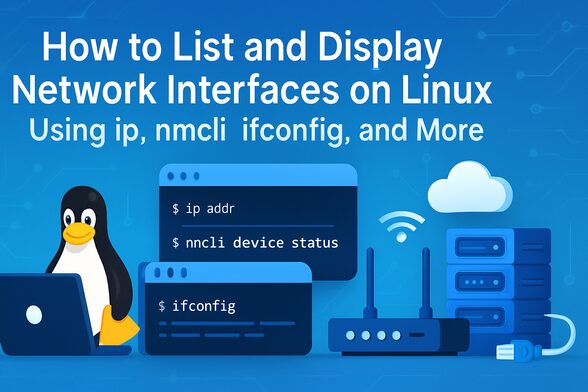
If you need to show available network interfaces on Linux, the good news is that modern distributions provide several reliable command-line tools for the job.…
Read More »
The Linux chown command is the standard tool for changing file ownership and group ownership on Linux systems such as Debian, Ubuntu, RHEL, CentOS, and…
Read More »
Managing Linux file permissions is one of the most important day-to-day skills for system administrators, developers, and anyone running servers. With the chmod command, you…
Read More »
Knowing how to create directories in Linux is a fundamental skill for anyone working with servers, desktops, containers, or automation scripts. Whether you’re organizing application…
Read More »