
Understanding and manipulating dates and times is a fundamental task in Linux system administration, whether you’re automating backups, troubleshooting logs, or synchronizing servers across time…
Read More »Linux Commands Guide
The whoami command is a deceptively simple yet invaluable tool for Linux system administrators and developers alike. Understanding and using this command effectively can help…
Read More »
For Linux system administrators managing complex file systems, the find command has long been an indispensable tool for locating files and directories based on various…
Read More »
Handling compressed archives is an everyday task for any Linux system administrator, especially when dealing with backups, software distributions, or data transfers. Although formats like…
Read More »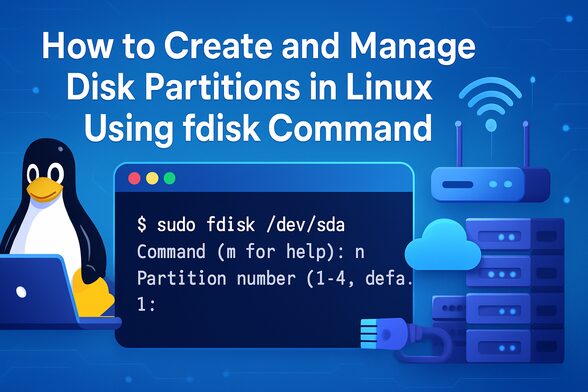
Creating and managing disk partitions is a fundamental skill for any Linux system administrator. Whether you’re setting up a new server, adding a raw disk…
Read More »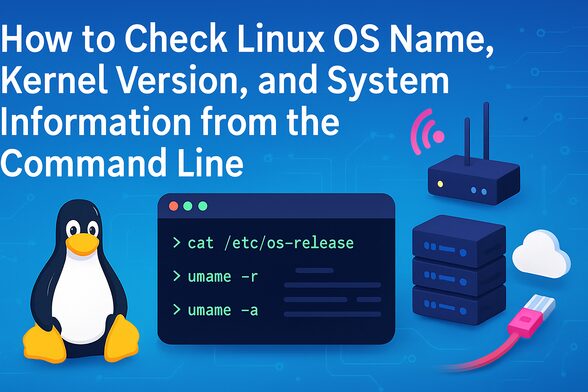
As a seasoned Linux sysadmin, one of the fundamental tasks you’ll perform frequently is verifying the Linux OS name, kernel version, and system details. Whether…
Read More »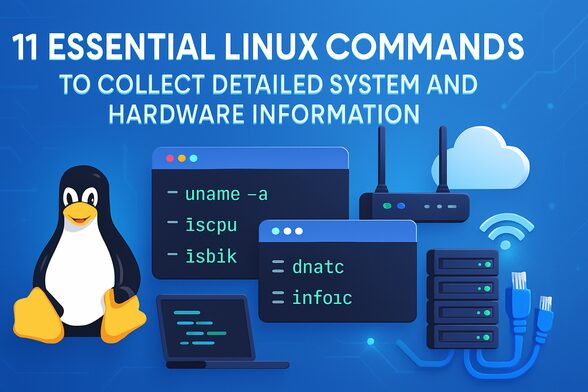
When managing Linux servers or desktops, a deep understanding of the underlying hardware and system components is critical for effective administration, troubleshooting, and performance tuning.…
Read More »
AWK is one of the most powerful and versatile text-processing tools available on Linux systems today. This scripting language excels at parsing, analyzing, and manipulating…
Read More »
The grep command in Linux is one of the most important tools every system administrator, developer, DevOps engineer, and power user should master. Whether you…
Read More »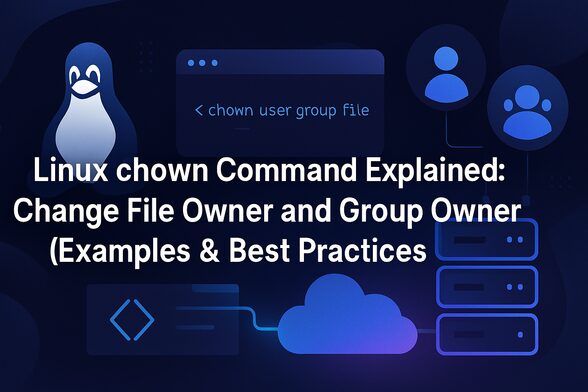
The Linux chown command is the standard tool for changing file ownership and group ownership on Linux systems such as Debian, Ubuntu, RHEL, CentOS, and…
Read More »