
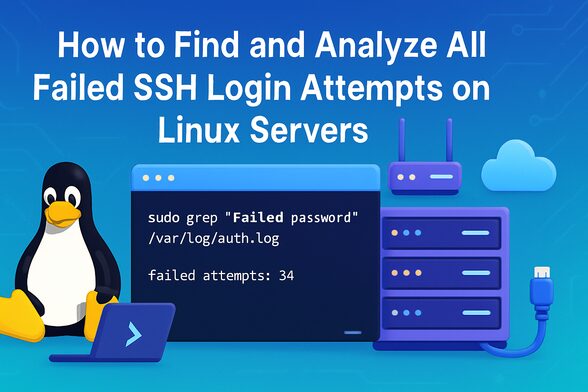
Securing SSH access is critical for any Linux server administrator. One of the most common attack vectors is brute-force attempts to log in via SSH,…
Read More »Linux System Administration
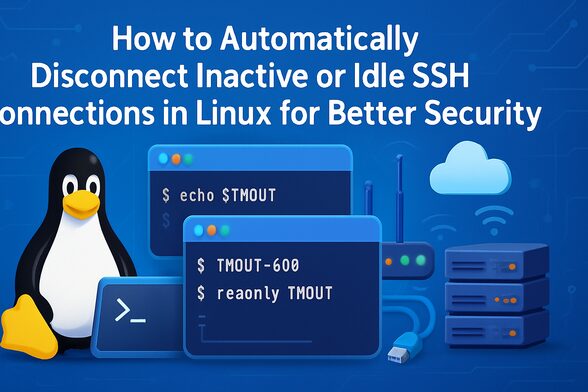
Managing SSH sessions efficiently is a crucial part of running secure production Linux servers. Idle or inactive SSH connections can pose serious security risks, consume…
Read More »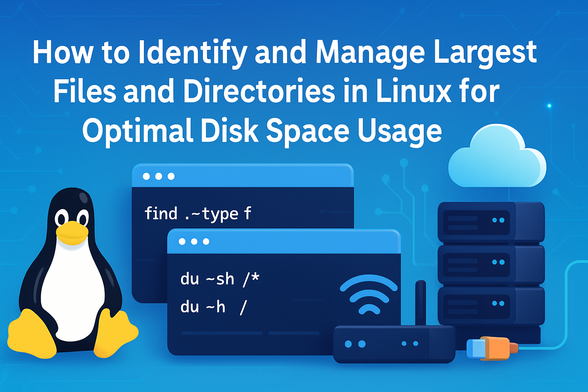
For any Linux system administrator, keeping track of disk space consumption is essential for maintaining a healthy server environment. Knowing how to find the largest…
Read More »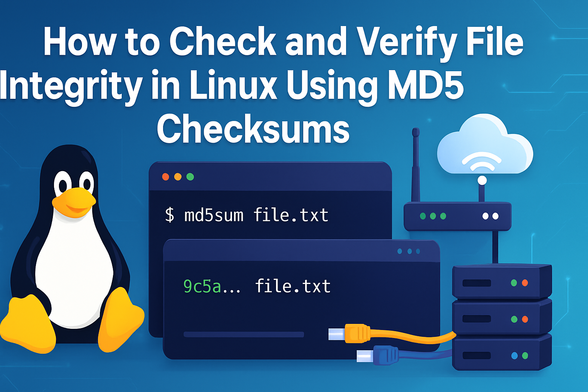
Ensuring file integrity is a fundamental task in Linux system administration, especially when managing production environments where data corruption or tampering can cause serious issues.…
Read More »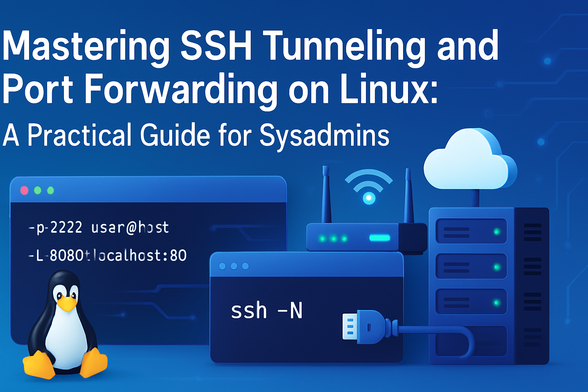
SSH tunneling and port forwarding are indispensable tools in the toolbox of any Linux system administrator. Whether you need to secure your traffic over an…
Read More »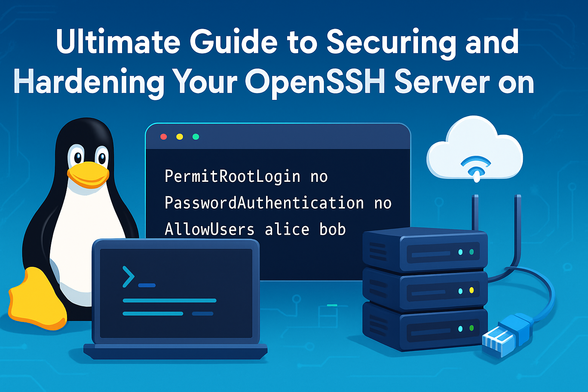
OpenSSH remains the backbone for secure remote access in Linux environments, powering everything from routine server management to automated deployment pipelines. However, leaving your OpenSSH…
Read More »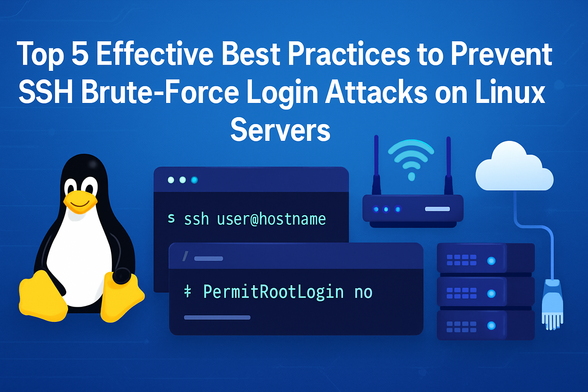
SSH (Secure Shell) is the backbone for remote server management on Linux, but it also remains a prime attack vector for brute-force login attempts. In…
Read More »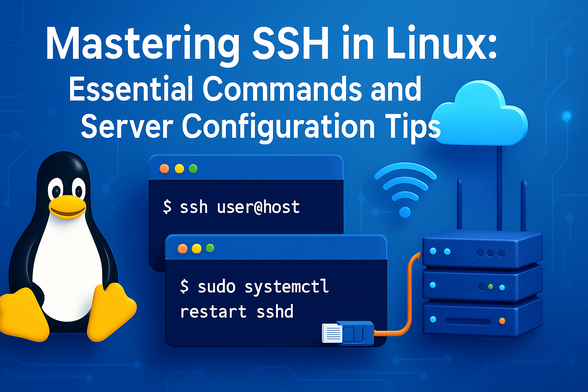
Secure Shell (SSH) remains the backbone for secure remote management of Linux servers across enterprises and personal projects alike. Whether you’re administering hundreds of production…
Read More »
If you manage Linux servers or frequently handle remote file transfers, understanding the SCP (Secure Copy Protocol) command is essential. SCP offers a straightforward, secure…
Read More »
Docker is a powerful and widely-used containerization platform that simplifies application deployment and management. While Fedora Linux ships with Podman as its default container runtime,…
Read More »